


Turn your environmental impacts into opportunities for improvement.
Reducing a product’s environmental impact starts with understanding where to take action. WeLOOP supports you in identifying the main areas for improvement, comparing potential solutions and integrating eco-design into your decision-making, from design through to deployment.





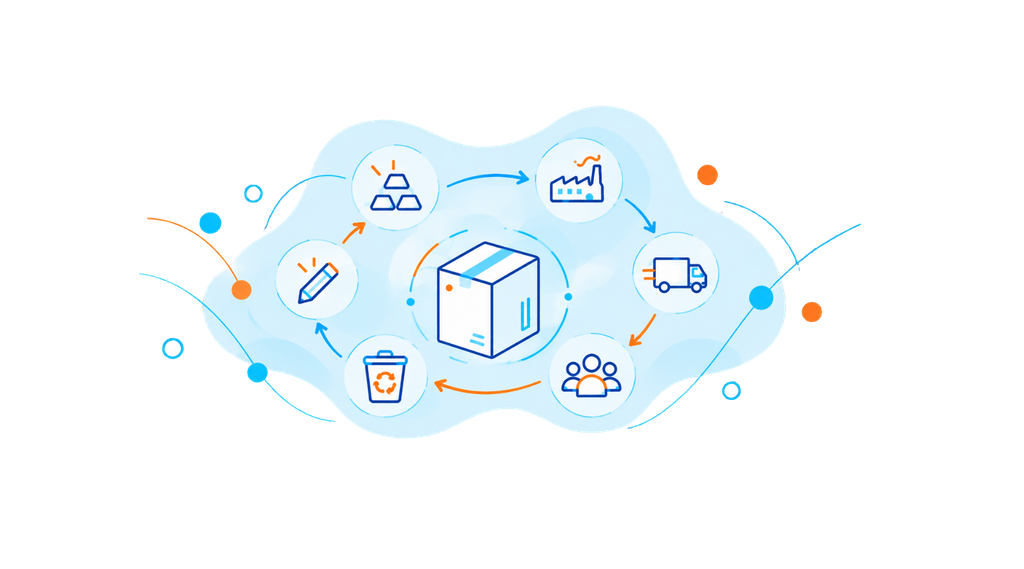
How can an eco-design approach be adapted to my industrial challenges?
From environmental assessment to solution deployment. WeLOOP turns environmental measurement into concrete, evidence-based design decisions.
01
Improve an Existing Product
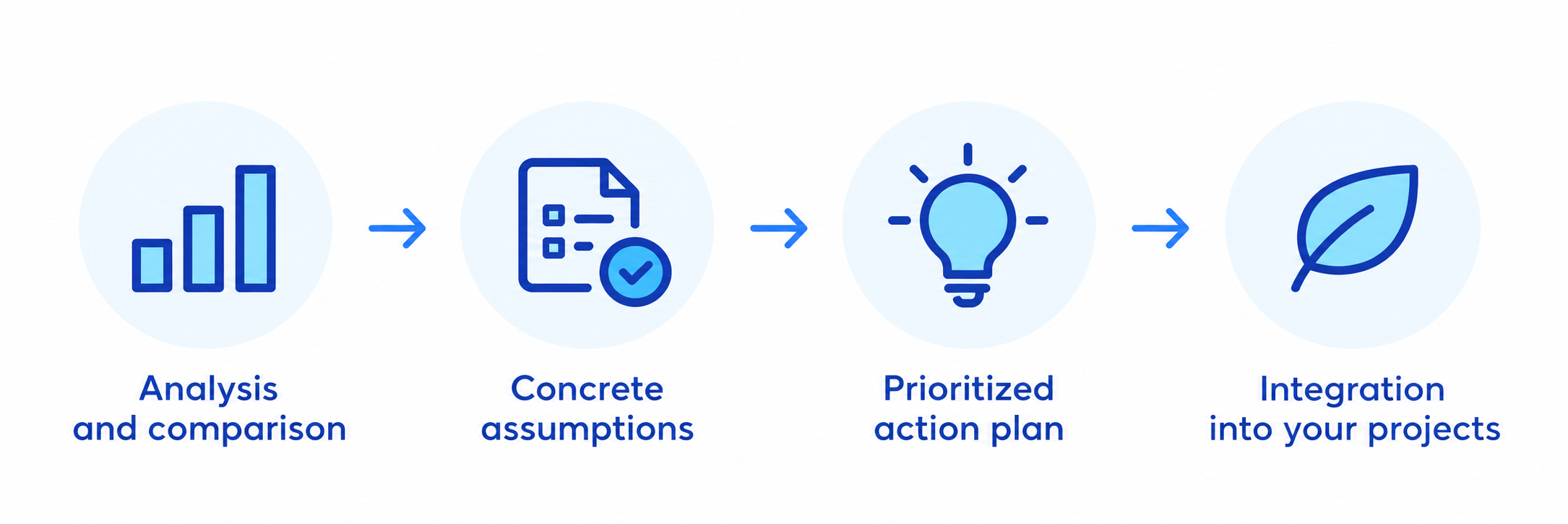
We analyse the product’s environmental performance to identify the main contributors to its impacts, then develop and compare improvement scenarios.
02
Eco-design a New Product
We integrate environmental criteria early enough to inform choices regarding materials, processes, suppliers, product architecture and service life.
03
Improve an Existing Product
We analyse the product’s environmental performance to identify the main contributors to its impacts, then develop and compare improvement scenarios.
04
Development of Monitoring Indicators
Définir des indicateurs adaptés pour mesurer les progrès, suivre l’évolution des impacts environnementaux et évaluer l’efficacité des actions d’éco-conception mises en place.
When should eco-design be integrated into your project?
The approach will differ depending on whether your product already exists or is still in the development phase.
Existing Product
Understand where to take action to improve
Assess current performance, identify priority impact areas and focus efforts where they create the greatest environmental value.
Assess the baseline situation.
Identify environmental hotspots.
Assess improvement scenarios.
New product
Make decisions before choices are locked in.
Assess current performance, identify priority impact areas and focus efforts where they create the greatest environmental value.
Define environmental ambitions.
Test several design scenarios.
Choisir sur la base d’indicateurs quantifiés.
WeLOOP in a few key figures
Years of experience in eco-design
Démarches d’éco conception réalisées
Multi-criteria approach
How does WeLOOP structure your eco-design approach?
“A structured method for bringing together environmental data, technical constraints and your teams’ expertise.”
Define
Define the product, scope, objectives and project constraints.
Measure
Quantify environmental impacts and establish a robust baseline.
Identify
Identify hotspots and the design parameters that can be improved.
Explore
Develop, model and compare several improvement scenarios.
Deploy
Prioritise solutions and integrate the selected options into the project.
How can LCA help guide your eco-design decisions?
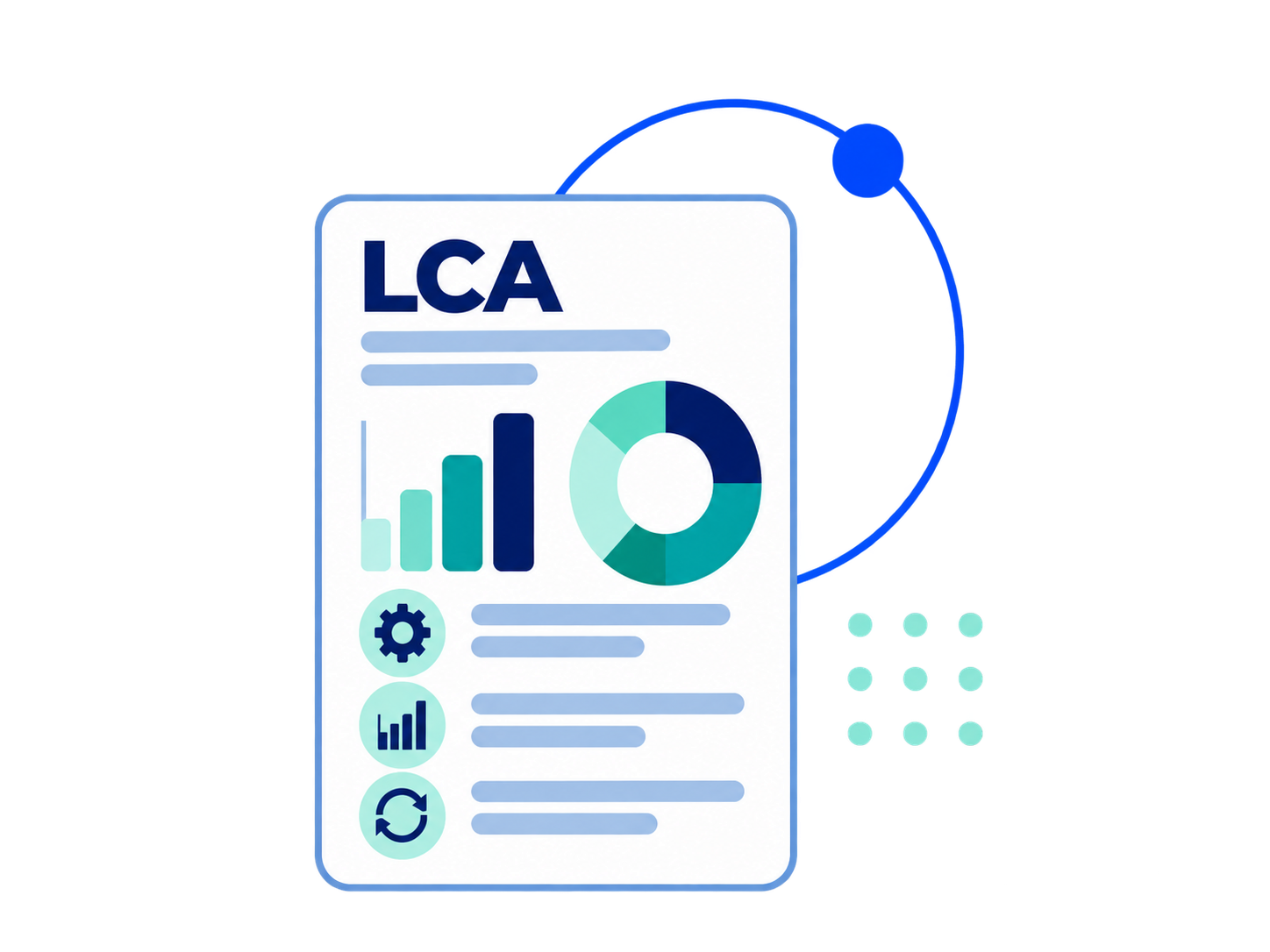
Life Cycle Assessment (LCA) goes beyond intuition: it highlights the main contributors, quantifies the effects of alternative solutions and helps limit impact shifting.
Why entrust your eco-design approach to WeLOOP?
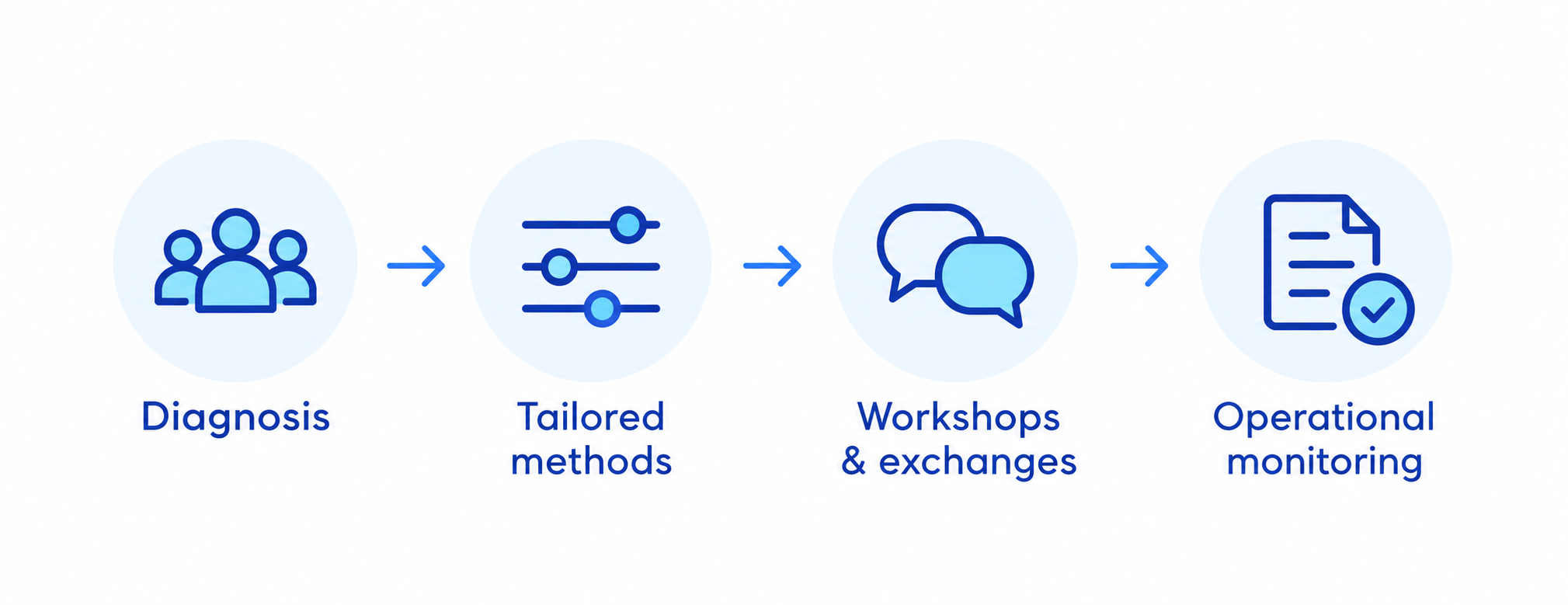
Our role is not simply to produce a study: we help your teams turn environmental results into actionable design levers.
01
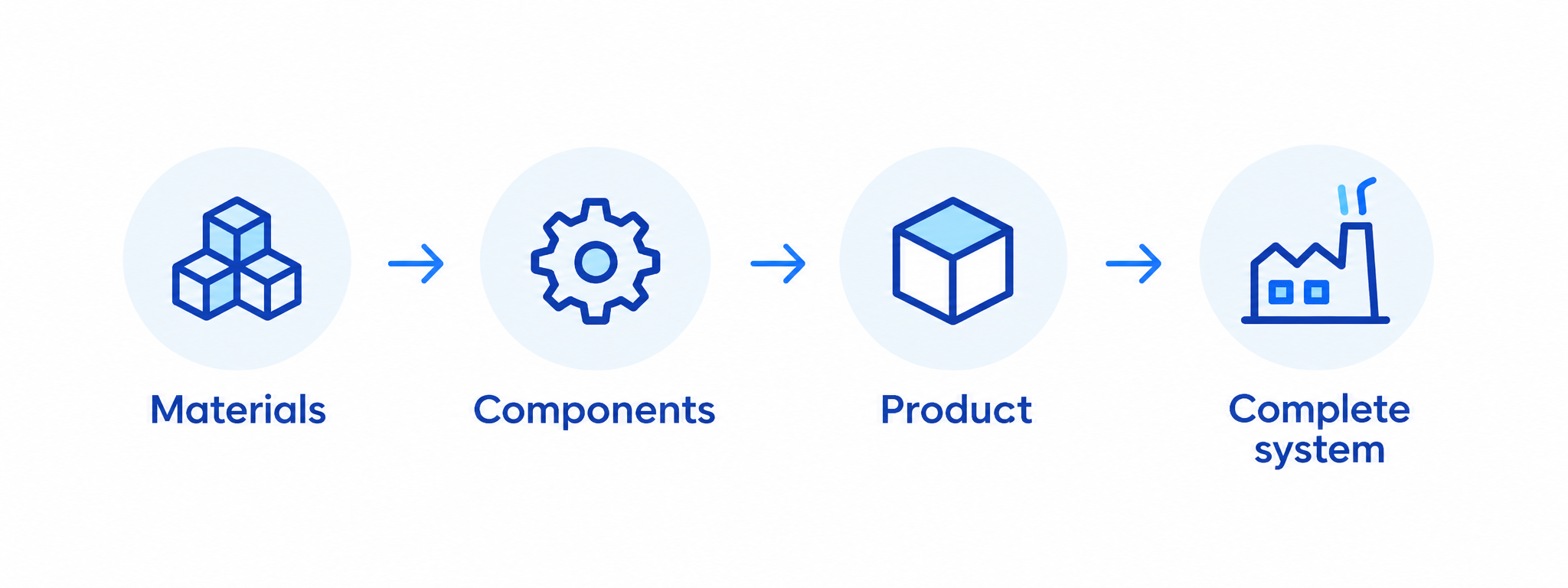
Cross-disciplinary expertise at every level
02
Support tailored to your challenges
03
Results designed to guide your decisions
How is eco-design applied in practice to industrial projects?
A closer look at four projects, four different contexts, but the same approach: measure impacts, identify opportunities for improvement and turn the results into design decisions.

Eco-designing Servers
WeLOOP supported the eco-design of servers to improve their repairability, refurbishment and recyclability.

Connecting Agriculture and Construction
WeLOOP supports the development of bio-based construction materials made from recovered agricultural co-products.
Eco-design of Digital Games
For Kylii Kids, WeLOOP assessed the environmental impacts of digital educational games to guide their eco-design approach.

Eco-designing Receipts
WeLOOP a accompagné l’éco-conception des tickets de caisse et comparé les impacts environnementaux des solutions papier et digitale.
Frequently Asked Questions
Experts to support your eco-design initiatives
Contact our experts to carry out your environmental life cycle assessment
 Dr. Carolina Szablewski
 Noura Rhabani
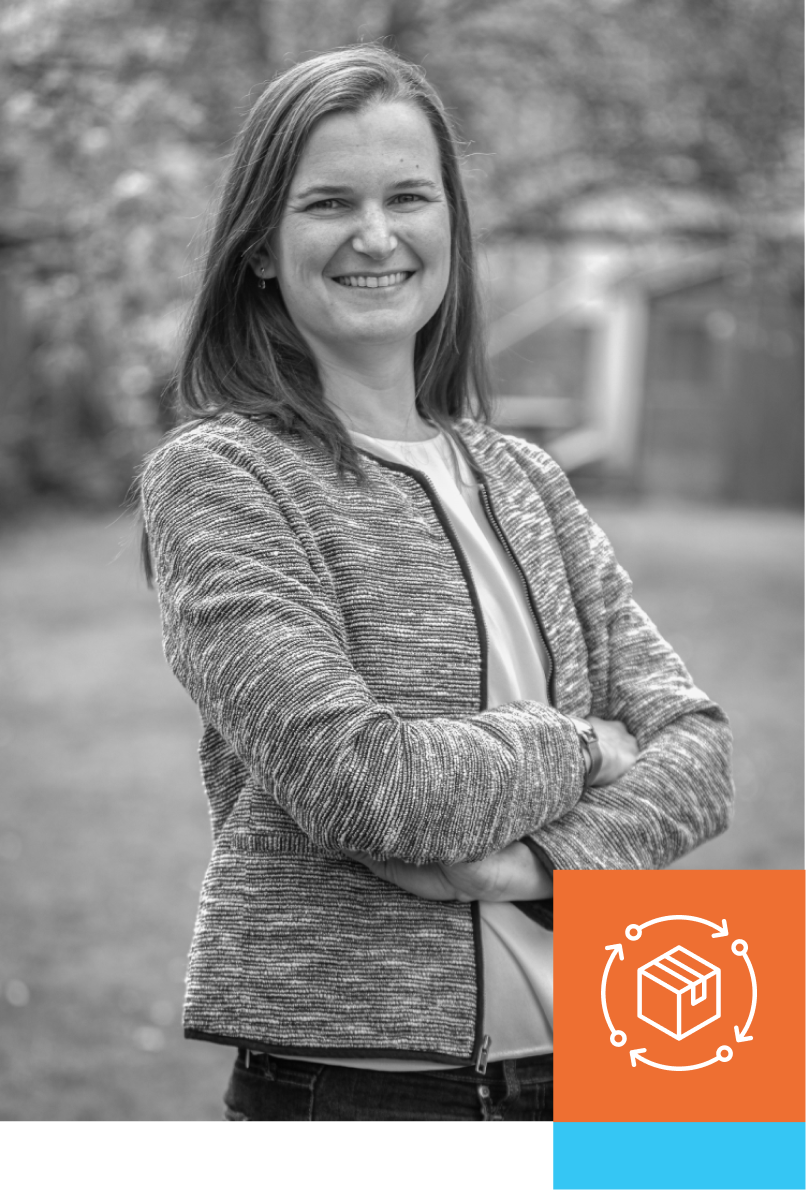 Dr. Dieuwertje Schrijvers
 Dr. Anish Koyamparambath
 Perrine Sébastien
 Clément Bolle
 Emilie Guilvert
 Sam Herlicq