


How Does WeLOOP Calculate Your Product’s Carbon Footprint?
Standard databases do not always accurately represent recycling processes, recycled materials or the specific scenarios encountered in the battery industry.
WeLOOP helps you identify, select and use Life Cycle Inventory (LCI) datasets tailored to your study, drawing on its sector-specific expertise and the data developed through BATTERS.


Do Your Current Data Really
Accurately Represent Your Battery?
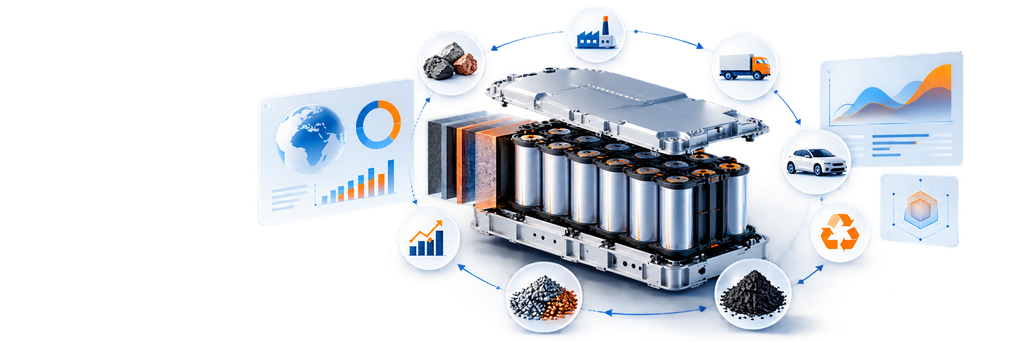
An LCA is only relevant if the data used are sufficiently representative of the processes, materials and context being assessed. In the battery industry, a lack of detailed recycling data can lead to the use of overly generic or unrepresentative assumptions.

Assess My Battery’s Recycling Impact
You are looking for suitable data to model your battery’s recycling processes in your LCA.
→
I Need to Incorporate Recycled Materials
You want to assess the environmental impact of incorporating recycled materials.
→
I Want to Compare Different Technologies
You want to objectively assess the differences between various recycling technologies or scenarios.
→
My Current Data Are Too Generic
Vous recherchez des inventaires plus détaillés ou adaptés au contexte réel de votre étude.
→Life cycle inventories dedicated to recycling
and recycled materials
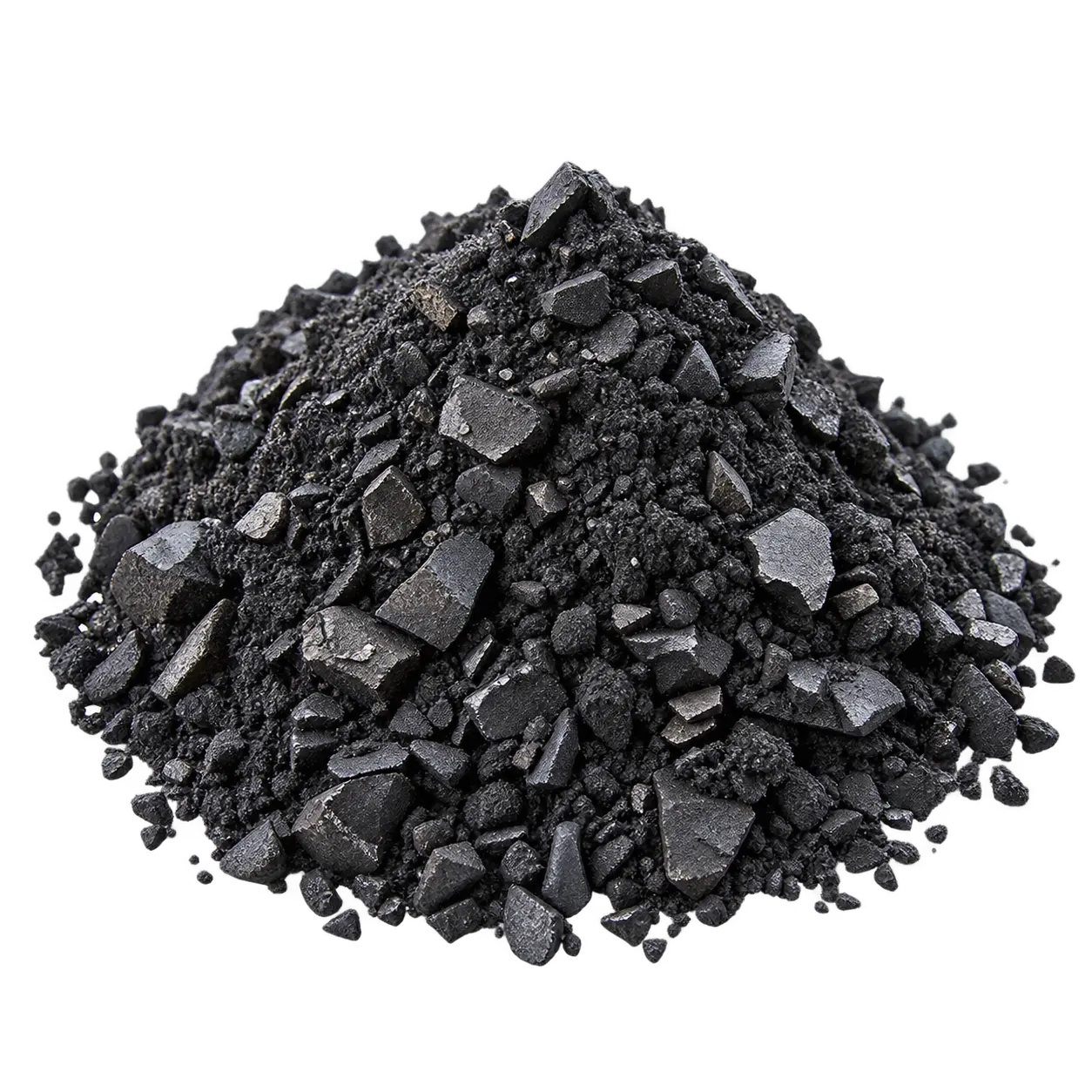
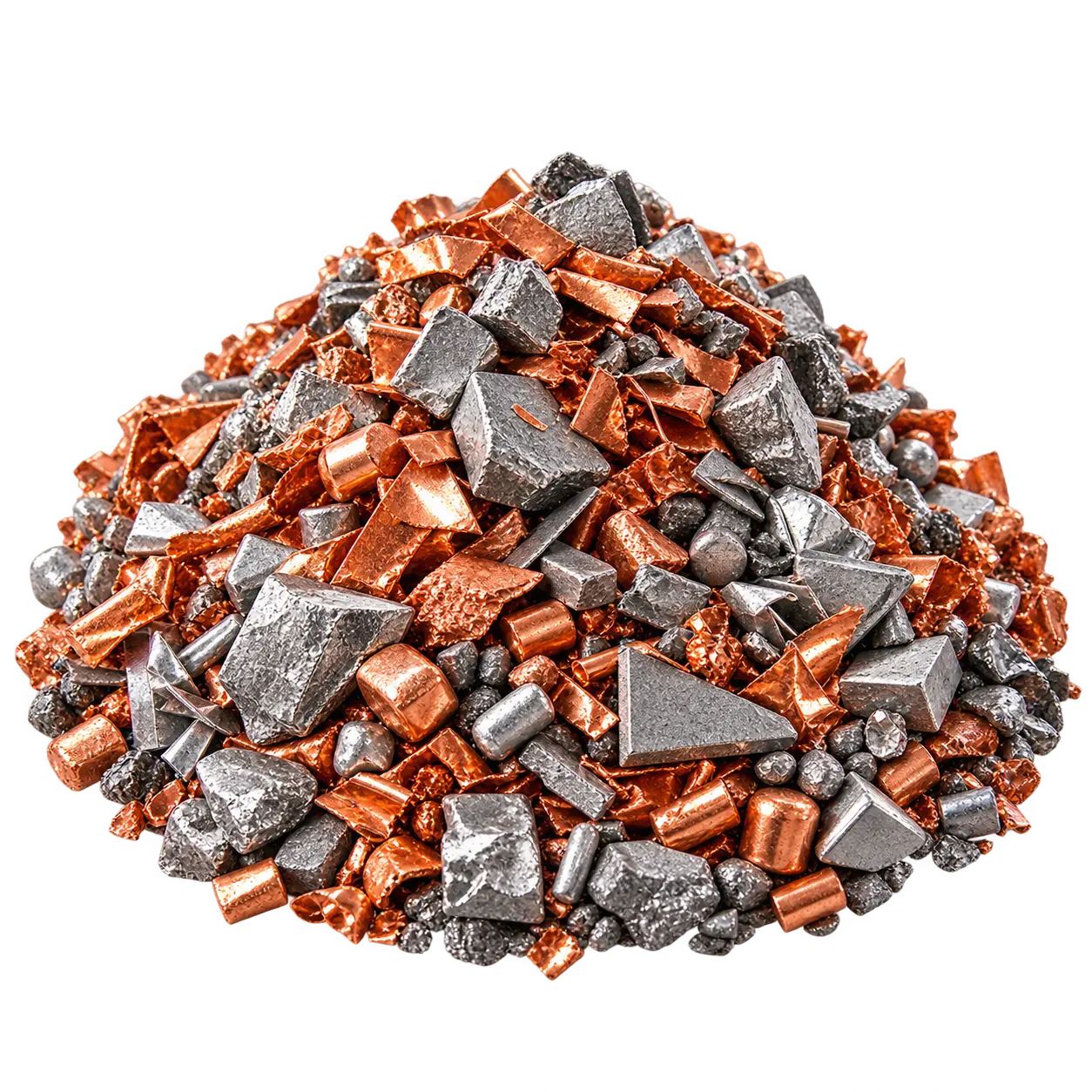
BATTERS provides detailed Life Cycle Inventory (LCI) datasets to model the different stages of battery recycling and the production of associated materials. The database covers Black Mass preparation, hydrometallurgy and pyrometallurgy, among other processes.
Parametrised life cycle inventories
The data can be adapted to the composition of the Black Mass to better represent the battery being studied.
Adapted geographical contexts
The electricity mix can be adjusted to reflect different geographical locations and industrial contexts.
Different allocation methods
Co-products can be handled using mass-based or economic allocation, depending on the methodological requirements.
Multiple levels of detail
The inventories are available in aggregated or disaggregated formats, or as customised datasets.
What can you do with these data?
Data designed to go beyond generic scenarios. BATTERS life cycle inventories enable you to compare options, test scenarios and make more reliable decisions using data that better reflect your industrial processes.

Compare
Compare different recycling technologies and processes.

Simuler
Test different realistic industrial scenarios.

Assess
Assess the integration of recycled materials.

Improve reliability
Reduce uncertainty associated with overly generic data.
How does WeLOOP help you make the most of the right data?

01. Understand
your needs:
We define the scope of the process, material, geographical context and objectives of your study.
02. Identify
the right data:
We select the most relevant life cycle inventories for your scenario.

03. Adapt
your scenario:
Composition, electricity mix, allocation method or level of detail: the parameters are adjusted as needed.

04. Use the data
in your LCA:
Our experts can support you in integrating and interpreting the data for your study.
Can't find the right data for your battery?
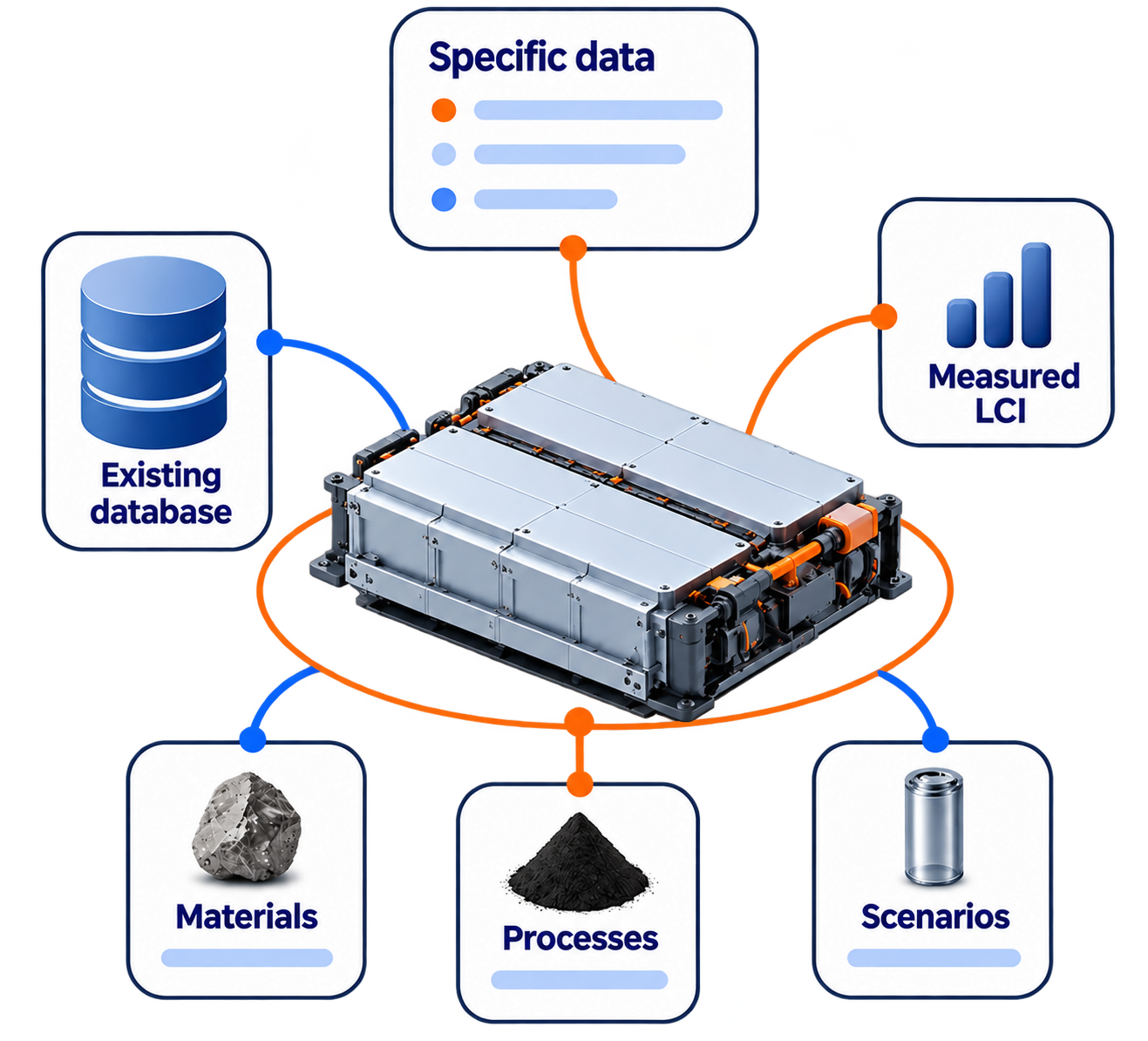
Not all requirements can be met by an existing database. If your battery, process or scenario requires specific data, WeLOOP can help you develop a Life Cycle Inventory tailored to your needs.
Frequently Asked Questions
Experts to tailor your data to your batteries
Contact our experts to identify the right data for your study.
 Dr. Noura Rahbani
 Emilie Guilvert
 Dr. Dieuwertje Schrijvers
 Dr Naeem Adibi
 Perrine Sébastien